Shaping the future of SHEQ at SSE Group
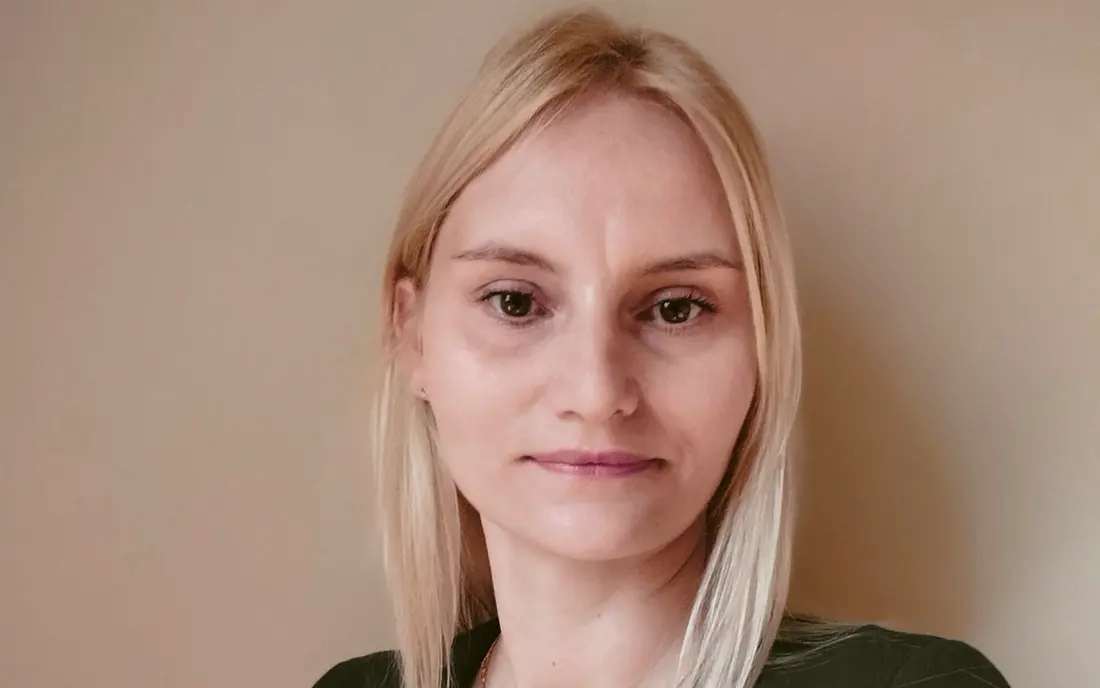
Since joining SSE Group in April 2025, Magdalena Klok has taken on the challenge of leading SHEQ with a clear focus on impact, culture and long‑term value.
From Poland, Magdalena brings an international perspective and a strong belief that safety, quality and environmental responsibility are not just systems to manage, but values to live by every day. In this interview, she shares her vision for the role, the challenges ahead, and what success truly means in a high‑risk, highly regulated industry.
1.What is your vision for SHEQ at SSE Group over the next few years?
"I would like SHEQ at SSE Group to be seen as a business partner, a strategic toolset, a management guide, and not just a set of required procedures. My goal is to create a culture in which safety, quality, and environmental responsibility not only support day-to-day operations but also fuel innovation and growth in every country where we operate."
2. Since joining SSE Group, what has been your main priority, and why was it important to address it first?
“I believe that sharing experiences is the best way to improve, which is why I aim to build cooperation and understanding between teams in our companies. My goal is to develop a global knowledge base that companies can use.”
3. The civil explosives industry comes with unique risks and responsibilities. What do you see as the biggest SHEQ challenge today, and how should companies respond to it?
The biggest challenge for SHEQ today is the generation gap and the outflow of experienced professionals to other sectors where the risk is much lower and working conditions are more comfortable. In an industry such as ours, the loss of practical knowledge means a risk of weakening both quality and safety barriers.
The solution could be systematic competence development, from early talent recruitment and intensive practical training to knowledge management and standardization of key processes. The Science Academy, implemented as part of the RESONANCE project, is one of the tools supporting the improvement of our employees' qualifications.
4. How do you turn SHEQ from a set of rules into a shared culture across different countries and teams?
Converting SHEQ rules based on ISO standards into a shared culture should be built on transparent communication. Leadership is key – leaders actively demonstrate that SHEQ is a value, not just an obligation. We follow global guidelines, but adapt them to local requirements.
5. When you look ahead, how will you know that your work in SHEQ is truly making a difference? What does success look like to you?
Success in SHEQ means a workspace where safety, quality, and environmental responsibility are a natural part of daily work. I know my work has a real impact when employees feel comfortable openly talking about hazards, asking questions, and working together to find better solutions.
“For me, SHEQ is not just a set of rules, regulations and requirements, but a ready-made, universal guide to continuous improvement and business management”